
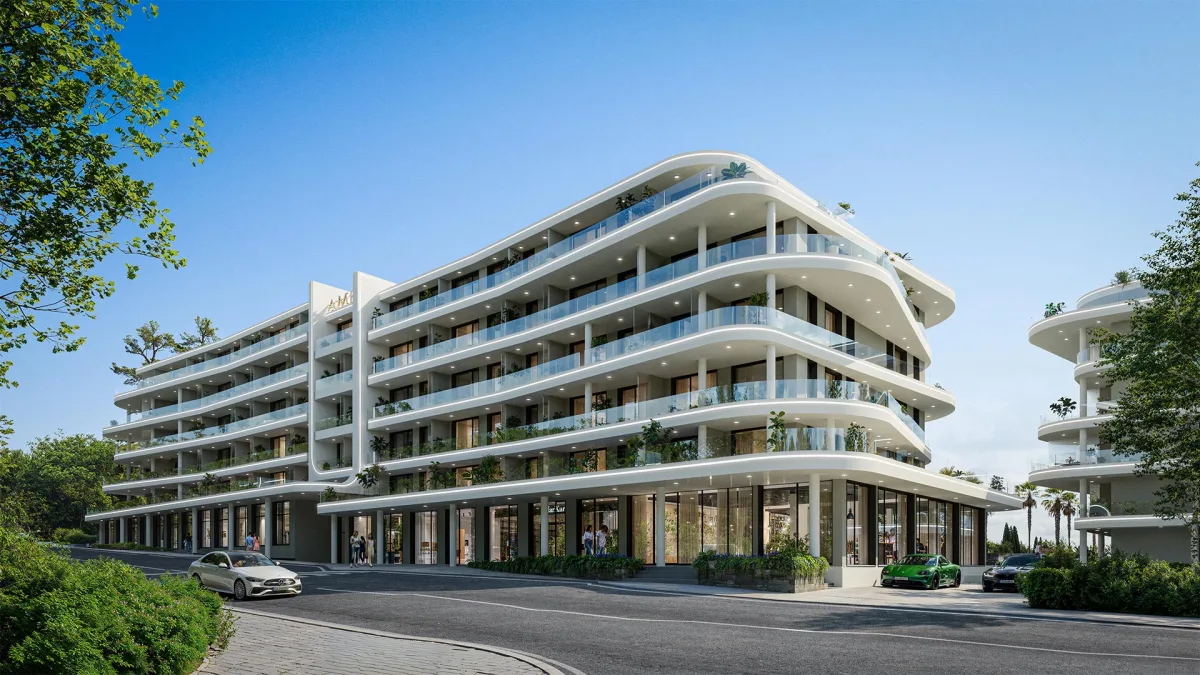
An apartment by the sea may be ideal for summer holidays yet prove impractical as a year-round home. An attractive asking price can lose its appeal once maintenance and renovation costs are factored in. And a building that looks complete still requires the documents confirming that it can legally be occupied.
The main risks when buying property in Bulgaria concern its legal status, physical condition, contractual terms and total cost of ownership. Many important questions can be resolved before any money changes hands, provided the checks are carried out in the right order.
Starting Your Search Without a Clear Purpose
“A property in Bulgaria” is too broad a brief for a focused search. A holiday home used for a few weeks each year, a permanent family residence and a rental investment all call for different locations, layouts and management arrangements.
For a holiday home, proximity to the beach, a swimming pool and a terrace with a view may take priority. For permanent living, heating, grocery shops, healthcare, transport and the neighbourhood’s character in winter become more important. An investment purchase requires a separate assessment of costs and potential demand.
Before viewing properties, define your intended use, ownership horizon, overall budget and essential requirements. This gives you a meaningful basis for comparing the options.
Judging the Area Only During a Summer Holiday
Your impression of a resort area can depend heavily on the season. Before buying, find out which shops and businesses remain open throughout the year and how transport and building maintenance operate outside the summer months.
If you are buying a permanent home, visit the neighbourhood on an ordinary weekday. Walk to the nearest shops, assess access and parking, check mobile reception inside the apartment and ask the management company about winter operations.
Families with children should also consider schooling and the daily journey. A school that looks close on a map may not be easy to reach.
Treating Marketing Language as a Property Specification
Descriptions such as “frontline”, “panoramic views” and “close to the beach” need to be checked against the particular apartment. The building, floor, orientation, surrounding development and actual walking route all matter.
An advertised distance may be measured in a straight line. The route to the beach could involve a road, a fence or land with restricted access. An architectural rendering illustrates a proposed design, while a photograph taken from a higher floor does not establish the view from an apartment below.
Assess the property you are considering. For an off-plan purchase, review its position on the development plans and ask what documented information is available about future development nearby.
Comparing Price per Square Metre Without Understanding the Area
When comparing listings, establish what the advertised floor area includes and how it corresponds to the documents and floor plan. Any allowance for common parts, terraces or other components needs to be explained.
Ask for an area breakdown and compare it with the dimensions of the rooms. For everyday use, the width of a bedroom, space for wardrobes, kitchen layout and circulation space can matter more than the headline figure.
A lower price per square metre does not automatically mean better value. Compare properties with a clearly defined area and a similar standard of usable space.
Treating the Asking Price as the Total Purchase Budget
In addition to the property price, discuss transaction costs, agency and professional fees, translations, banking charges, furnishing and any necessary renovation. Establish whether parking, storage and equipment are included or available at an additional cost.
A useful approach is to divide the budget into three parts: acquisition, preparation for use and annual ownership costs. This shows how much you will need before moving in and what ongoing commitments will follow.
“All-inclusive” is not a sufficient explanation. For each significant payment, you should understand its purpose, recipient and amount, or how it will be calculated.
Overlooking the Development’s Maintenance Arrangements
Swimming pools, landscaping, security and communal areas all require upkeep. Before buying, obtain the maintenance terms and establish which services are covered, how the charge is calculated and whether additional fees may apply.
Check whether VAT is included, which area is used in the calculation, when payments fall due and how charges can change. The operating season also matters: a pool shown in the plans is not necessarily available throughout the year.
For a resale property, request available information about the seller’s account with the management organisation. Ask your lawyer to assess any outstanding obligations and their implications before the transaction.
Relying Solely on a Copy of the Title Document
The seller’s title document is only part of the legal review. A lawyer needs to assess the seller’s authority to sell, the identity of the property, its ownership history and any registered restrictions.
Bulgaria’s Property Register records deeds relating to property rights, mortgages and other encumbrances. Registry information can help trace registered changes, but the scope and depth of the investigation should be determined by a lawyer for the particular transaction.
If the seller acts through a representative, the power of attorney and the extent of that person’s authority require separate examination. Additional documents may be needed where there are multiple owners, an inheritance or a corporate seller.
Arrange the review before taking on substantial financial commitments. Reservation terms should address what happens if the checks reveal circumstances that prevent the purchase from proceeding.
Failing to Confirm the Property’s Designated Use and the Building’s Status
The word “apartment” in a listing does not establish the property’s legal designation. Before buying, confirm how the unit is described in the documents and whether that status is compatible with your intended use.
For a completed building, check the relevant document authorising its use. Depending on the construction category, Bulgaria uses a use permit or a commissioning certificate. The familiar phrase “Act 16 is in place” needs clarification: which document has been issued, which part of the development it covers and whether it applies to the property you intend to buy.
For a property under construction, the review should also cover the relevant permissions, current stage, seller’s obligations and terms for completing the development. A finished exterior does not establish that all required procedures have been completed.
Paying a Deposit Without Understanding the Refund Terms
Reserving a property may involve transferring money before the full review is complete. Before making a payment, establish who will receive it, its contractual basis and the obligations it creates for each party.
Check that the agreement identifies the property, states the reservation period and explains how the payment will be credited towards the price and under what conditions it will be refunded. Pay particular attention to what happens if the legal review is unsatisfactory, the seller changes the terms or the buyer cannot complete payment as agreed.
The label attached to a payment does not, by itself, determine its legal consequences. Have a lawyer review the document before signing or transferring funds.
Buying Off-Plan on the Strength of Renderings Alone
Architectural images help communicate a development’s concept. They do not define the full extent of the developer’s contractual obligations. A purchase requires specific information about the property and the terms of the agreement.
Confirm the layout, area, specification, deadlines, payment stages and handover arrangements. If a heated pool, landscaping, parking or sports facilities are important to you, establish where those commitments are recorded and when the facilities are expected to be ready.
The provisions covering delays or changes to the specification deserve particular attention. Ask your lawyer to assess them.
Assuming “Turnkey” Means Ready to Move Into
A turnkey finish should be supported by a detailed specification. Establish whether the kitchen, appliances, air conditioning, lighting and furniture are included, which materials will be used and how the completed work will be inspected and accepted.
For an existing apartment, inspect the building services and equipment. Look for signs of damp and check windows, doors, ventilation, water supply and the bathroom. If there are concerns, engage a qualified technical specialist.
At handover, record the property’s condition, the agreed inventory, meter readings and any defects. Agree with the seller how identified issues will be addressed.
Calculating Returns Using Peak Summer Rental Rates
The rental rate achieved during a particular week does not establish the annual financial return. A projection needs to account for expected occupancy, vacant periods, maintenance, management, cleaning, commissions, taxes and replacement of furniture and equipment.
Consider several scenarios with different occupancy levels and costs. If the investment only produces an acceptable result under the most favourable assumptions, that is a material consideration.
Before buying, establish who will manage rentals and maintenance, on what terms and with what reporting. The ability to let the property and any applicable requirements should be checked separately.
Leaving Payment Arrangements Until the Last Moment
Discuss the payment process before agreeing to tight contractual deadlines. Contact your bank in advance to confirm whether the transfer can be made, what documents will be required and how long the procedures may take.
For a cross-border purchase, the country from which the funds are sent, the requirements of the banks involved and the buyer’s circumstances all matter. A verbal assurance that “everyone pays this way” is not a sound basis for planning a transaction.
The payment schedule should reflect your confirmed ability to meet the commitments.
How to Organise Your Checks Before Buying
Start with your purpose and total budget. Then compare properties, assess the location and request the documents, maintenance terms and specification.
Before paying, agree the scope of the legal review with your lawyer and have the relevant agreements examined. Confirm payment arrangements before making final commitments. Before handover, inspect the property and record the agreed inventory.
The agent helps select the property and organise the process. The lawyer assesses legal matters, a technical specialist examines the condition, and the bank reviews payment arrangements. Coordinated work allows decisions to be based on verified information.
Frequently Asked Questions About Buying Property in Bulgaria
What should I check before paying a deposit?
Check the property and seller, the available documents, the basis for the payment, the reservation period, how the amount will be credited and the refund conditions. Agree the scope of the review with your lawyer.
Is Act 16 enough?
You need to establish which document authorising use has been issued and whether it covers the property concerned. The remaining legal and technical aspects of the purchase still need to be checked.
What costs should I budget for beyond the property price?
Allow for transaction costs, agreed professional and agency fees, banking charges, preparation of the property for use and ongoing ownership costs. The exact expenses depend on the transaction.
What is the maintenance fee?
It is the charge for maintaining the development. Check the services included, the basis of calculation, VAT treatment and the rules for changing the fee.
Can I choose a property remotely?
You can begin the search remotely. A purchase decision requires sufficient information about the property, a legal review and agreed arrangements for inspection and handover.
How can I reduce the risk of choosing the wrong property?
Define your purpose, check that the property meets your requirements, calculate the total cost of ownership and review the documents before making financial commitments.
Property Selection with Dom Maximus
Dom Maximus helps you choose property on Bulgaria’s coast in line with your plans and budget. We organise viewings, clarify property details and purchase terms, and coordinate communication with the seller and relevant professionals.
Tell us what you are looking for to receive a selection of properties and discuss the next steps.